Published on · Simone Renzi
Revisions documented across October and November 2026
Work statusCAD changes documented; processes, materials, tolerances and physical tests require qualification.
01 / Mechanical revision
A faithful replica requires original decisions
OpenSAINT remains the project’s essential foundation. My work goes beyond assembling it: I have modified many components and designed some mounts around new requirements, such as the computer in the base and the controller in the head.
In my work, I distinguish three interventions: correcting a part’s position, repairing geometry and designing a different component. Recording the distinction makes it possible to understand what actually changed and which checks need to be repeated.
02 / Mechanical revision
Corrections to the assembly
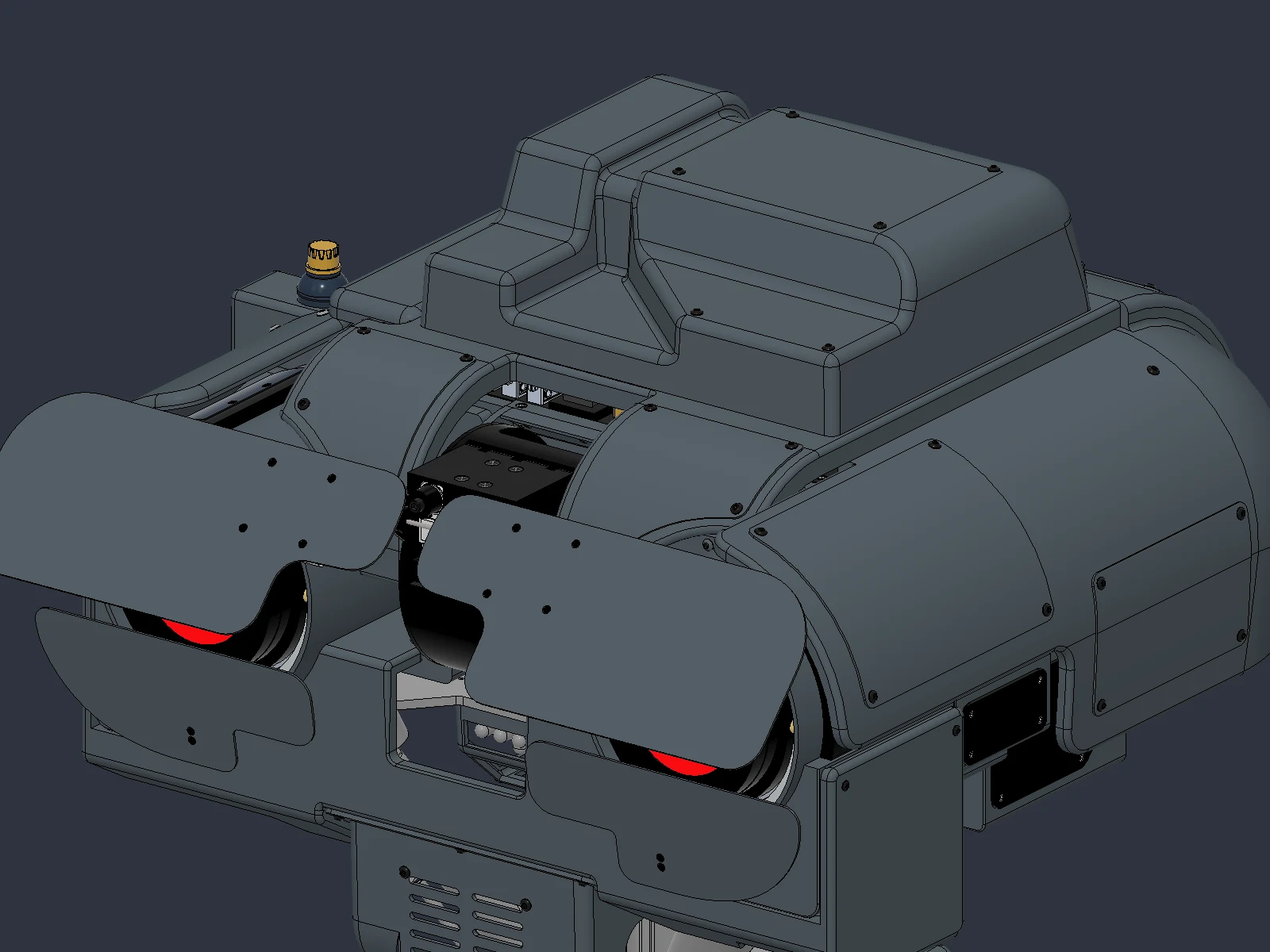
The changes I recorded include removing duplicate fasteners, repositioning pulleys and pins, and rotating the lower left-arm housing to restore the correct interface. The microphone grille required a specific correction: it had remained in its previous position while the rest of the group moved beneath the shell.
In U7 R3, I restored the relationship between grille and cap and added the corresponding rigid constraint. Other components were preserved. This is an example of an assembly problem that does not require redesigning the whole object.
03 / Mechanical revision
Eyelids and finger segments: focused changes
I changed the upper eyelids to the straight profile chosen for the project, preserving holes and thicknesses in the recorded checks. In the hands, two side finger segments needed exportable geometry to be corrected while their envelopes and axes remained compatible with the existing mechanism.
I devoted a separate article to the finger segments because the local correction was followed by assembly reintegration and further kinematic tests. A corrected part on a CAD workbench must still behave properly in its intended context.
04 / Mechanical revision
The rear cover: repairing a representation
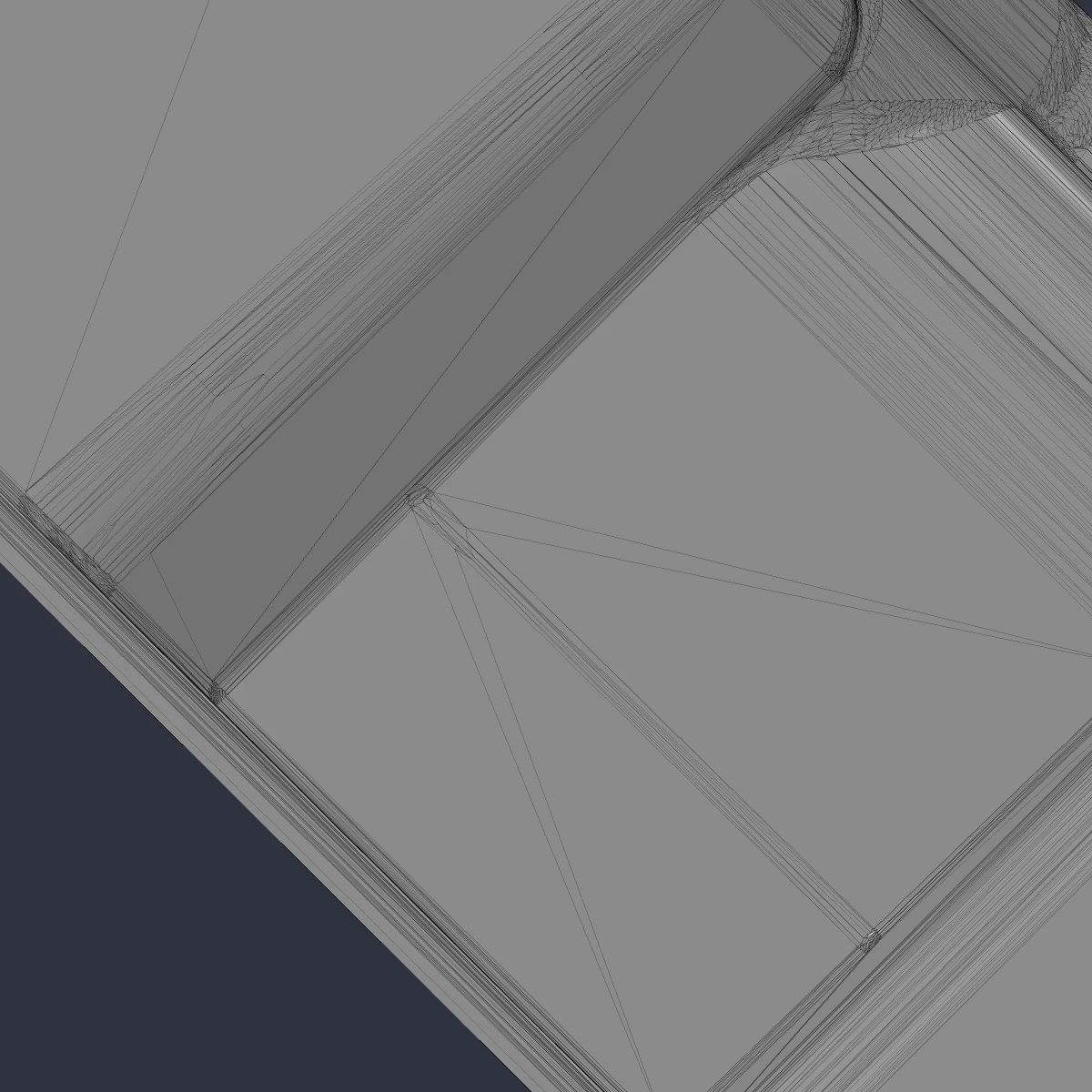
Rear cover 6533 had geometry-closure problems. In U12 R3, I integrated a repaired, closed and oriented mesh while retaining the original reference in the history. I do not describe the outcome as a new valid analytical STEP: the representation type is part of the technical result.
05 / Mechanical revision
New mounts bring new requirements
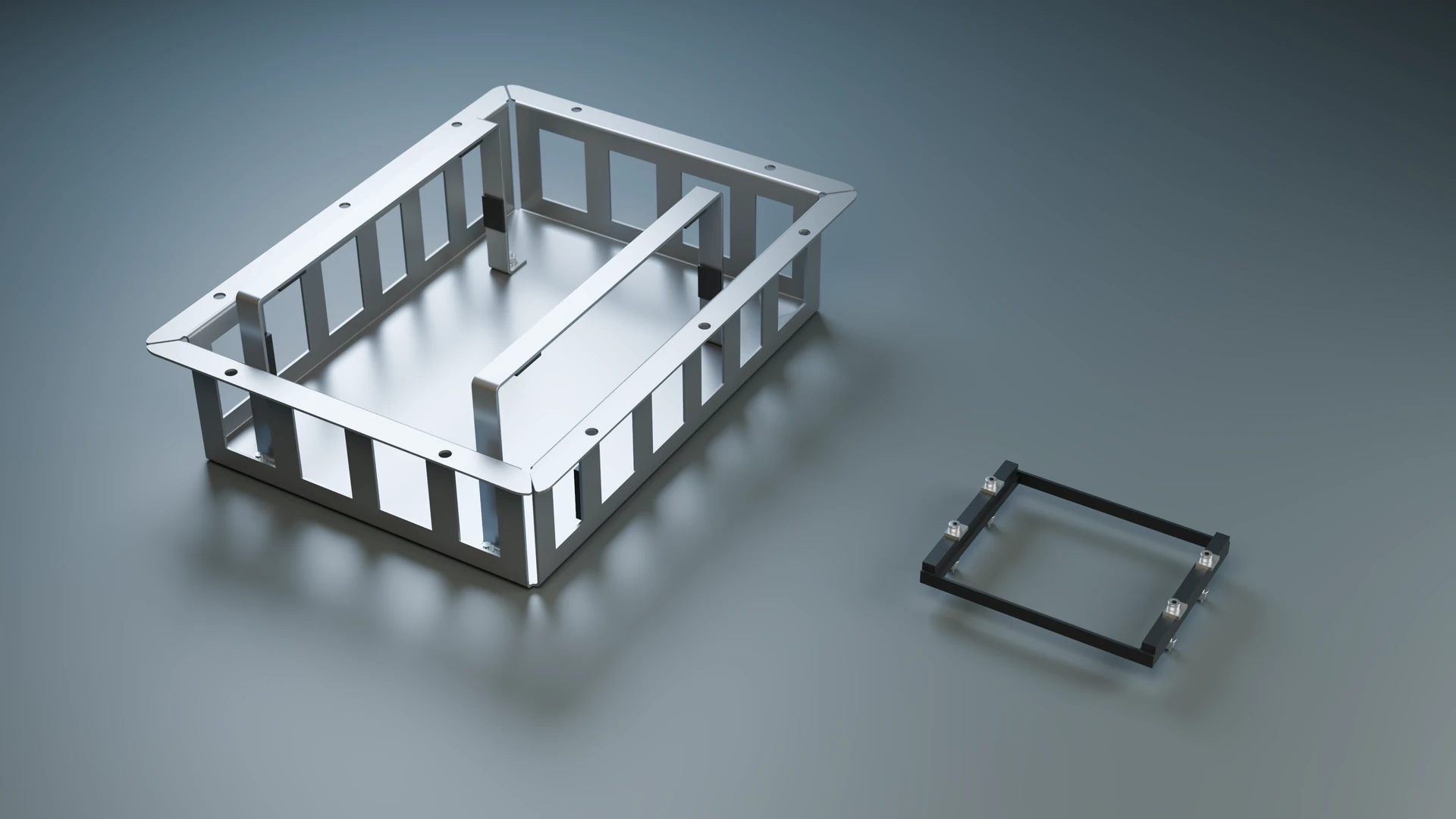
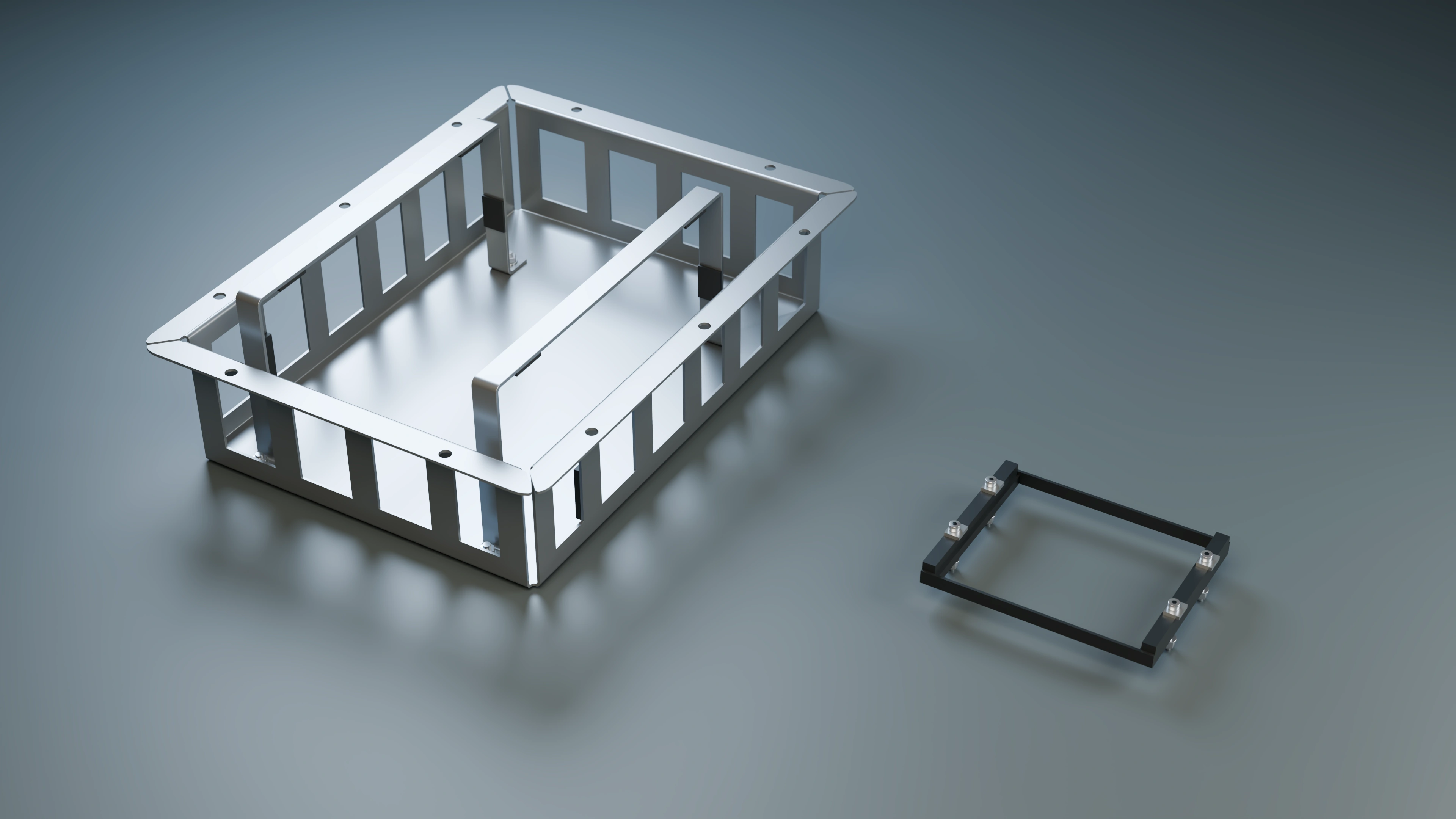
The Mac tray and Jetson cradle address requirements not fully covered by the initial foundation. I studied positioning, retention and relationships with other groups while retaining credit for the original parts. Materials, loads, vibration and tolerances remain the next steps towards physical manufacture.
Documentation and references
For this account, I draw on project records, Fusion revisions and the checks described in the text. CAD views document their respective stages of development.